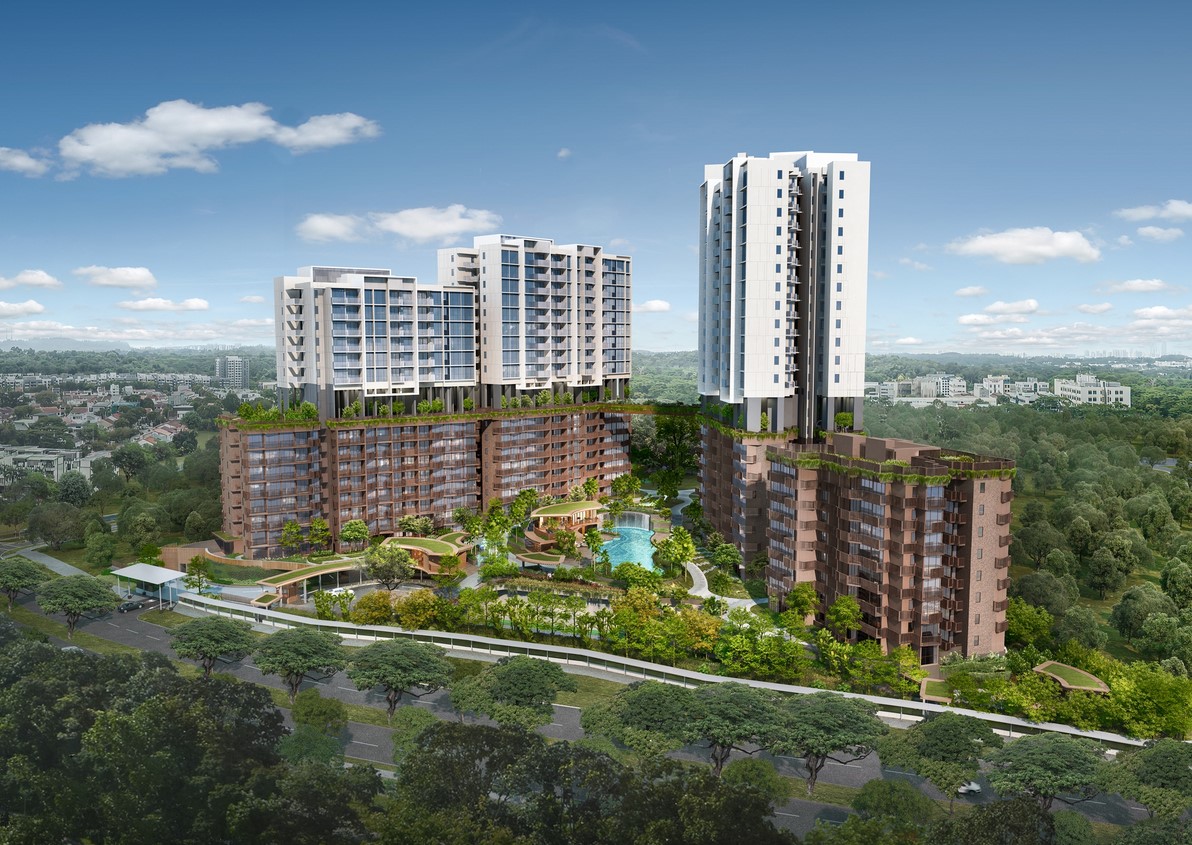
In urban condominium developments, the design and planning of shared facilities play a pivotal role in enhancing residential value and quality of life. Beyond individual units, the arrangement and accessibility of communal spaces influence resident satisfaction, long-term livability, and even property desirability. Thoughtful community planning ensures that shared amenities are practical, safe, and seamlessly integrated into the residential environment.
Shared Facilities as Extensions of Living Space
Modern condominiums increasingly treat shared facilities as extensions of individual units. Fitness centers, swimming pools, co-working areas, and landscaped gardens serve as functional spaces that complement the private living experience. Well-planned communal areas allow residents to enjoy leisure, recreation, and social interaction without leaving the development.
Projects like Lentor Gardens Residences Condo demonstrate how shared facilities are strategically positioned to be accessible from all units while maintaining privacy. The design emphasizes both convenience and separation, ensuring residents can use communal amenities without disrupting their personal space.
Zoning and Spatial Planning for Community Interaction
Community planning involves zoning within the property to optimize the relationship between private units and shared spaces. Public areas are often clustered near main entrances or podium levels, while quiet or semi-private zones are placed farther from high-traffic areas. This balance minimizes noise interference while fostering organic social interaction among residents.
In developments like Lentor Gardens Residences, zoning principles are applied to create a coherent flow from private units to shared spaces. Lounges, gyms, and recreational zones are located in areas that encourage use without compromising the tranquility of residential floors.
Safety, Accessibility, and Practical Considerations
Effective community planning also prioritizes safety and accessibility. Well-lit walkways, secure entrances, and strategically placed amenities contribute to a secure and convenient environment. Elevators, ramps, and pathways must be designed to accommodate all residents, including elderly individuals or families with children.
Shared facilities in Lentor Gardens Residences Condo reflect these practical considerations, with layouts that balance ease of access, functional circulation, and compliance with safety standards. Thoughtful placement ensures that amenities are intuitive to use, encouraging consistent engagement and fostering a sense of community.
Designing for Social Cohesion and Lifestyle Integration
Modern condominiums increasingly aim to foster social cohesion through community-focused amenities. Multipurpose halls, communal gardens, and BBQ areas are designed to encourage casual interaction, neighborly engagement, and lifestyle-oriented events. Such planning strengthens a sense of belonging and enhances overall satisfaction with the property.
Lentor Gardens Residences exemplifies this approach by integrating shared spaces that appeal to diverse age groups and household types. By providing areas that accommodate both active recreation and quiet socializing, developers create a residential environment that supports long-term community engagement.
Maintenance and Operational Efficiency
Another aspect of shared facility planning is operational efficiency. Well-organized layouts reduce maintenance challenges, facilitate cleaning, and allow staff to manage the property effectively. Facilities that are easy to supervise and maintain ensure longevity and consistent quality for residents.
Projects like Lentor Gardens Residences Condo emphasize sustainable design and efficient use of space for communal areas. This focus reduces long-term operational costs and enhances the usability of shared amenities over time.
Conclusion
Community planning and shared facilities are fundamental components of modern condominium living. By designing accessible, safe, and socially engaging communal areas, developers add significant functional and emotional value to residential properties.
Lentor Gardens Residences and Lentor Gardens Residences Condo illustrate how thoughtful community design transforms condominiums into cohesive, livable environments. Prospective buyers should assess not only individual units but also the quality, placement, and usability of shared facilities when evaluating urban residential developments.


