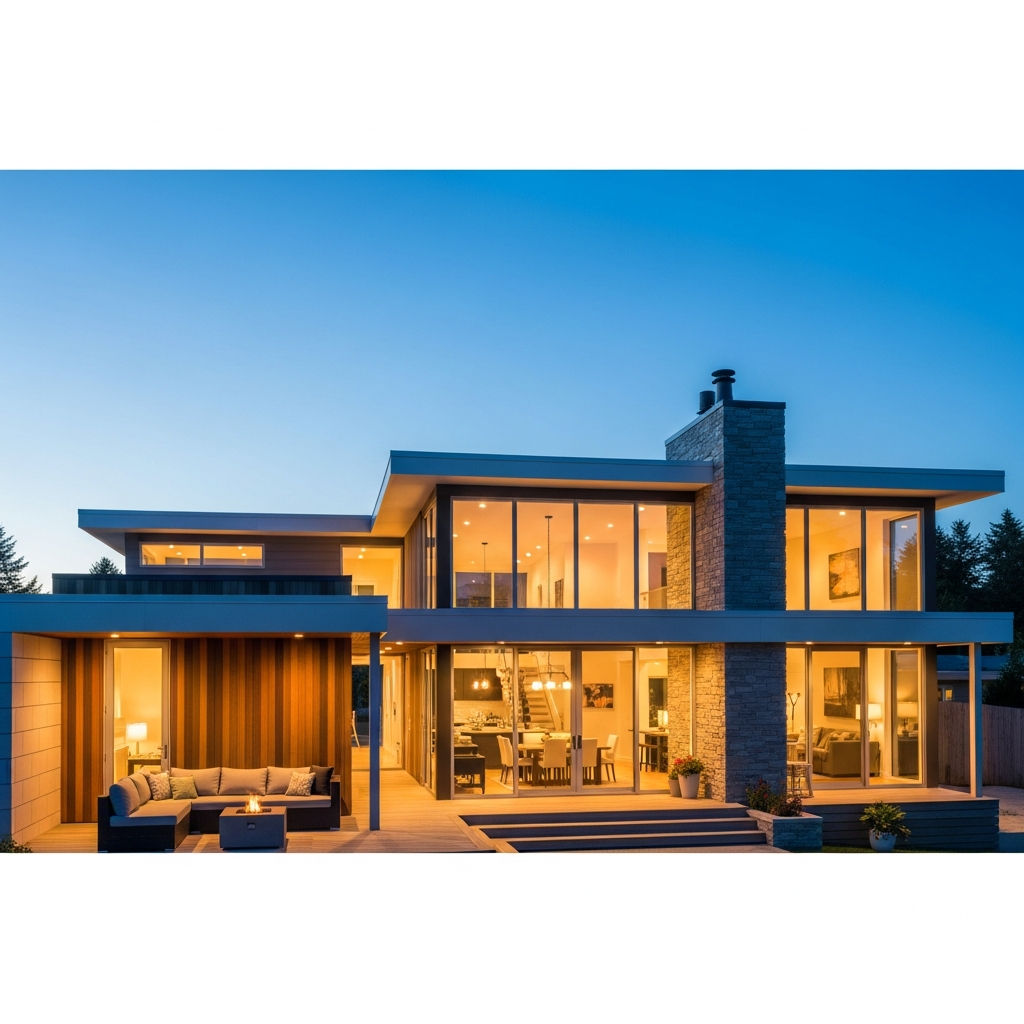
In the evolving landscape of residential architecture, the pursuit of “modern design” has moved far beyond stark, cold aesthetics. Today’s homeowner demands spaces that are not only visually striking but deeply functional, serving as true sanctuaries from the chaos of the outside world. The most compelling modern house design ideas successfully blend minimalist style with unprecedented levels of comfort, creating environments that promote wellness, efficiency, and timeless appeal. This comprehensive guide explores the contemporary design strategies achieving this perfect equilibrium.
Modern architectural thought posits that a home should reflect the life lived within its walls. The challenge—and the triumph—of current design trends lies in utilizing clean lines and sophisticated palettes without sacrificing warmth or livability. We look at how architects are using space, light, materials, and technology to redefine modern comfort and style for the 21st century.
The Philosophy of Modern Living: Form Meets Function
At the heart of superior modern design is the principle that every element must serve a dual purpose: aesthetic excellence and practical utility. Gone are the days of purely ornamental features. Today, structure is the decoration, and efficiency is the style. This philosophical shift places the emphasis on intelligent layouts that maximize flow and interaction.
The Foundation: Space and Light
A defining characteristic of successful modern homes is their dedication to creating an atmosphere of spaciousness, regardless of the actual square footage. Light and expansive layouts are key psychological drivers of comfort.
Embracing Open-Concept Living
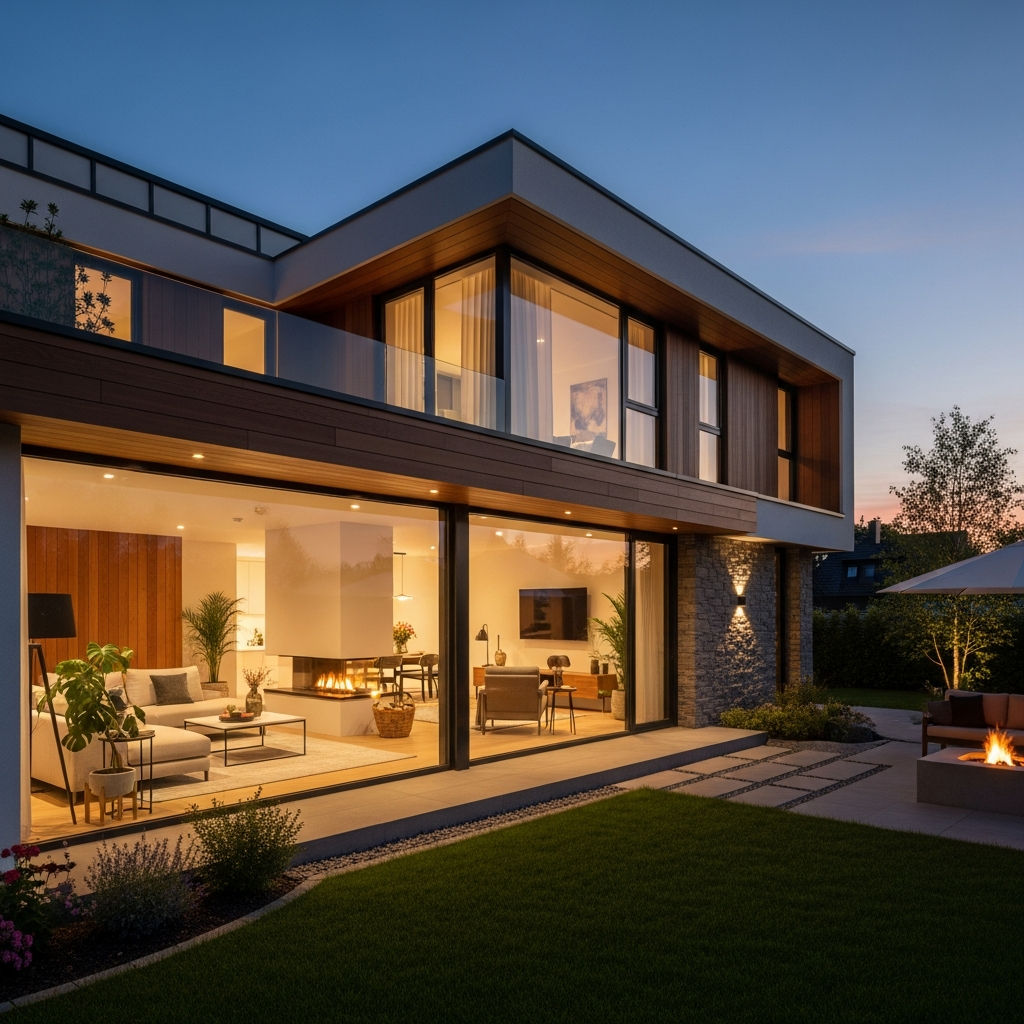
The open-concept layout remains fundamental to modern house design. By dissolving internal walls between the kitchen, dining, and living areas, architects foster seamless interaction and communal activities. However, the contemporary iteration of open-concept living is smarter. It often incorporates subtle spatial definitions—such as changes in ceiling height, flooring materials, or strategically placed furniture islands—to delineate zones without completely closing them off. This ensures that the expansive style is balanced with functional segmentation, preventing the space from feeling vast and impersonal.
Maximizing Natural Light Through Glazing
Natural light is the ultimate luxury in modern architecture. Floor-to-ceiling windows, clerestory windows, and strategic skylights are employed not just to brighten spaces but to continuously connect the interiors with the exterior landscape. Large expanses of high-performance glass minimize energy loss while providing dramatic views, transforming the surrounding environment into living artwork. The careful placement of glazing is essential for managing solar gain, ensuring the space remains bright yet cool, integrating comfort with environmental stewardship.
Materiality Matters: Textures, Sustainability, and Warmth
Modern style often relies on a limited palette, but this restraint requires meticulous attention to material choice. To avoid the coldness associated with older minimalist styles, contemporary designs focus on rich, authentic textures and sustainable materials that inject intrinsic warmth and depth.
Integrating Sustainable and Natural Materials
Sustainability is no longer a niche feature; it is an integrated element of high-quality modern house design. Architects are prioritizing locally sourced, renewable, and recycled materials that reduce the home’s environmental footprint while contributing unique character.
The Rise of Timber and Stone Accents
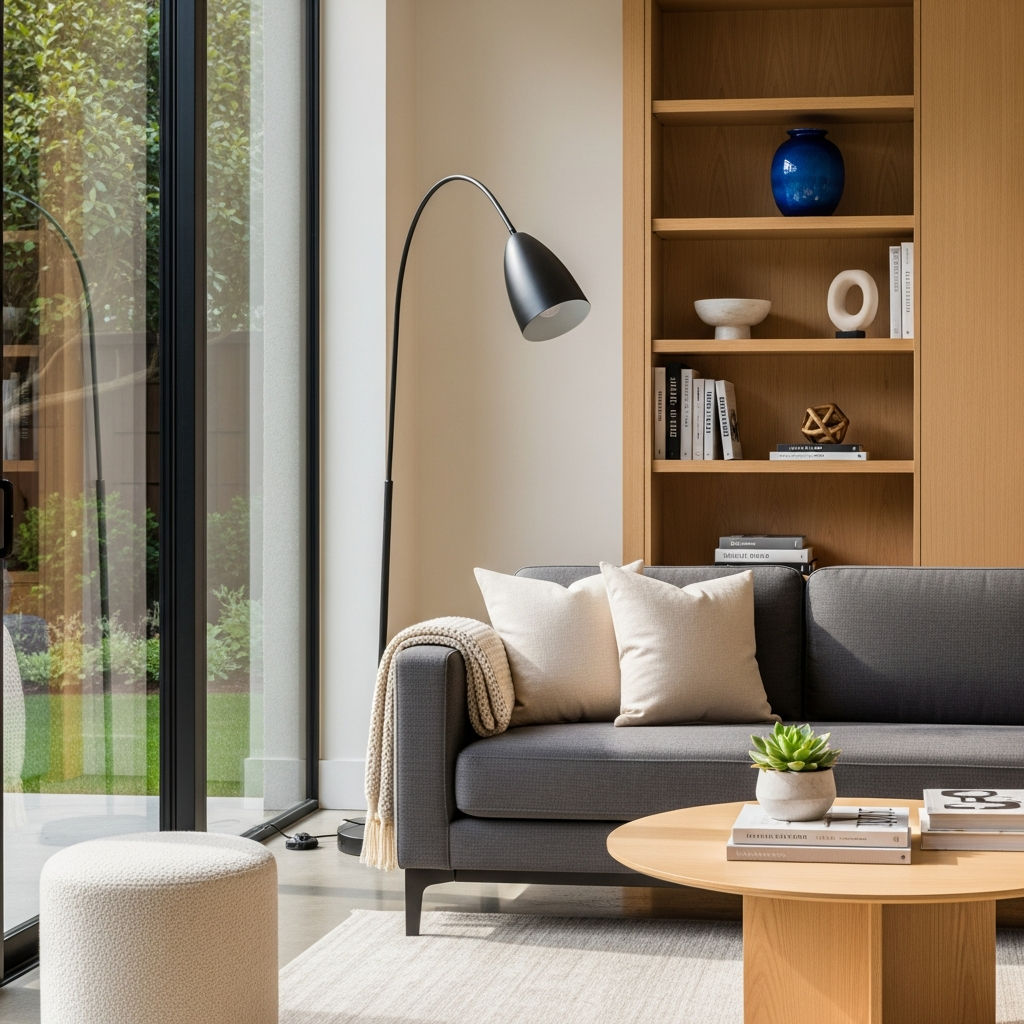
Wood, particularly lighter woods like white oak or darker walnut, is crucial for offsetting industrial elements like steel or concrete. Used in wall panels, exposed ceiling beams, or custom cabinetry, wood introduces a tactile softness. Similarly, natural stone—whether in the form of polished marble countertops or rugged slate flooring—grounds the design, offering durability and a connection to the earth. These natural textures enhance the feeling of comfort and longevity.
Concrete Finishes: Industrial Chic Meets Thermal Efficiency
Polished concrete floors and walls have become staples of modern design. Far from being cold, concrete is prized for its thermal mass capabilities, helping to regulate interior temperatures naturally. Aesthetically, its monolithic nature provides a perfect neutral canvas, allowing furniture and artwork to take center stage, epitomizing clean, functional style.
Color Palettes for Tranquility
The modern palette favors neutrals—whites, grays, and blacks—but these are now complemented by deep, muted accent colors inspired by nature, such as sage green, dusty blue, or terracotta. This approach provides a serene backdrop that enhances visual comfort, preventing the interiors from feeling overwhelming or overly sterile.
Designing for the Modern Lifestyle: Tech and Wellness
The seamless integration of technology and a strong focus on wellness are mandatory components of contemporary comfort. Modern homes must be intuitive, responsive, and supportive of a healthy lifestyle.
The Seamless Integration of Smart Technology
The best modern homes hide their technology in plain sight. Automation systems are discreetly woven into the fabric of the home, controlled by minimalist interfaces or voice commands.
Automated Lighting and Climate Control
Lighting is one of the most powerful tools for defining mood and enhancing comfort. Modern designs use sophisticated layers of lighting—ambient, task, and accent—all controlled by smart systems that can adjust intensity and color temperature throughout the day. This dynamic control over light mimics natural cycles, aiding circadian rhythms and enhancing overall well-being. Smart climate systems maintain optimal temperature and air quality, often hidden behind clean, flush vents.
Acoustics and Sound Zoning
In open-plan environments, managing noise is paramount to comfort. Modern architecture addresses this through intentional design elements, such as acoustic paneling disguised as wall features, textured rugs, and strategic furniture placement, ensuring that different zones can function simultaneously without sound interference.
Biophilic Design: Connecting Indoors and Outdoors
Biophilic design—the incorporation of natural elements to satisfy the innate human desire to connect with nature—is a cornerstone of modern comfort. This is achieved through direct views, natural materials, and living features.
Vertical Gardens and Interior Landscaping
Interior gardens, courtyard access, and increasingly, spectacular vertical gardens, blur the lines between inside and out. These living features enhance air quality, reduce stress, and introduce vibrant organic texture against the clean lines of modern architecture, drastically improving the home’s comfort profile.
Optimizing Outdoor Living Spaces
Modern design treats exterior spaces—patios, decks, and balconies—as extensions of the internal living area. Outdoor kitchens, comfortable lounge furniture made from durable materials, and integrated lighting systems ensure that the home’s stylish comfort extends beyond the physical envelope.
Interior Strategies: Minimalism and Layered Comfort
True comfort in modern design is not achieved through clutter, but through intentional curation. This means adopting minimalist principles while incorporating strategic textures and layers.
The Power of Intentional Minimalism
Minimalism in the modern context is about efficiency, not deprivation. Every piece of furniture, every decorative object, must be beautiful, functional, and meaningful.
Decluttering and Hidden Storage Solutions
To maintain clean lines and a sense of calm, modern house designs prioritize ingenious, built-in storage. Integrated cabinetry that seamlessly merges with walls, hidden drawers under staircases, and full-wall systems ensure that daily necessities are easily accessible yet completely out of sight, preserving the elegant aesthetic.
Focusing on Quality over Quantity
Investment in high-quality, ergonomically designed furniture is key. A single, beautifully crafted sofa or a unique piece of art holds more visual weight and provides greater lasting comfort than numerous inexpensive items. This approach aligns the home’s style with sustainability and enduring value.
Creating Zones of Relaxation
Layered textiles—such as wool rugs, linen curtains, and soft throws—are essential for countering the hard lines of the architecture, inviting residents to relax. Even in the most streamlined space, strategic placement of comfortable seating, focused lighting, and soft textures ensures that the home feels welcoming, warm, and restorative.
The marriage of comfort and style in modern house design is a testament to thoughtful architecture and interior planning. By prioritizing light, embracing natural materials, integrating smart technology seamlessly, and adhering to intentional minimalism, today’s designers are creating homes that are not just contemporary in appearance but profoundly comfortable to inhabit. These design ideas prove that modern living can be simultaneously elegant, efficient, and deeply nurturing.


