The Ultimate Guide to House Renovation: Planning, Budgeting, and Execution
A successful House Renovation project is often described as a marathon, not a sprint. It is an intricate process that demands meticulous planning, realistic budgeting, and careful coordination of numerous moving parts. Whether you are updating a single bathroom or embarking on a full structural overhaul of an aging property, the commitment required is significant. Renovating a home offers the dual reward of increasing your property’s value while tailoring your living space perfectly to your needs and aesthetic preferences.
This comprehensive guide breaks down the essential steps necessary to navigate your house renovation journey, ensuring you move from initial concept to final construction with confidence and control. Understanding the sequence of events and the risks involved is the foundation upon which your future home will be built.
The Crucial Planning Phase: Defining the Scope of Work
Before any walls are knocked down or contractors are contacted, the most important work happens on paper. The planning phase is where you define the precise scope of your project. Lack of clarity here is the primary cause of cost overruns and timeline delays later on.
The goal of this phase is to create a detailed document outlining every change, fixture, and material choice. This document—often called the “Scope of Work”—will be the reference point for all subsequent discussions with architects and general contractors.
- Needs vs. Wants Assessment: Determine which elements are non-negotiable (structural repairs, updated electrical systems) and which are luxury additions (high-end finishes, heated floors). Prioritizing needs safeguards your budget.
- Feasibility Study: Consult with a structural engineer or architect early on, especially for older homes or projects involving load-bearing wall removal. Understand the physical limitations of the existing structure.
- Conceptual Design: Work with an interior designer or architect to translate your ideas into technical drawings and specifications. These plans are necessary for obtaining accurate contractor bids and mandatory building permits.
Budgeting and Financing Your House Renovation
The financial planning associated with a house renovation is perhaps the most daunting aspect. A realistic budget must account for hard costs (materials, labor) and soft costs (permits, architectural fees, professional consulting).
A common pitfall is underestimating the cost of unforeseen issues. When tearing open walls, you may discover outdated plumbing, substandard wiring, or termite damage—issues that must be addressed immediately.
- The Contingency Fund: Always allocate 15% to 20% of your total renovation budget specifically for unexpected costs. For older homes or major structural renovations, this figure should trend toward the higher end.
- Getting Quotes: Obtain at least three detailed bids from qualified general contractors based on the exact same Scope of Work. Resist the urge to automatically choose the lowest bid; scrutinize what is included and, more importantly, what is excluded.
- Financing Options: Many homeowners fund major renovations through Home Equity Lines of Credit (HELOCs), cash-out refinances, or dedicated renovation loans (like the FHA 203k loan). Choose the financing vehicle that minimizes interest costs and aligns with your financial timeline.
Navigating Permits and Regulations
Building permits are not optional bureaucratic hurdles; they are mandatory safety checks. Nearly all significant home improvement projects—especially those involving structural changes, electrical work, plumbing, or major additions—require local government approval.
Failure to secure the proper permits for your house renovation can result in stop-work orders, costly fines, and the potential requirement to tear down completed work. Furthermore, non-permitted work can severely complicate the resale of your home and void insurance coverage if a related failure occurs.
Your general contractor or architect should handle the permit application process, but the homeowner remains responsible for ensuring the permits are secured before construction begins. Be prepared for this stage to add several weeks or even months to the pre-construction timeline, depending on your municipality.
Assembling Your A-Team: Vetting Contractors and Professionals
The quality of your finished house renovation depends heavily on the skills and reliability of your team. The core team typically includes a General Contractor (GC), an Architect, and potentially an Interior Designer.
The General Contractor is the project manager, overseeing subcontractors, managing the timeline, ordering materials, and handling daily site coordination. Vetting this key individual is paramount.
- References and Portfolio: Request and personally contact references from their two most recent projects. Ask detailed questions about timeliness, communication, and adherence to the budget.
- Insurance and Licensing: Verify that the contractor holds current liability insurance and workers’ compensation coverage. A lack of proper insurance leaves you financially liable for accidents on your property.
- Detailed Contract: Never proceed without a signed, detailed contract that outlines the payment schedule (tied to completion milestones, not calendar dates), the warranty provided, and the specific materials covered.
The Renovation Process: Step-by-Step Execution
While every house renovation is unique, the general construction phase follows a predictable chronological order. Maintaining this sequence is vital for ensuring quality and preventing structural conflicts.
- Demolition: Removal of existing fixtures, non-load-bearing walls, and finishes. The site is prepared for major changes.
- Structural Work: The most invasive phase, involving foundation repairs, new framing, installation of steel beams, and establishing new rooflines or additions.
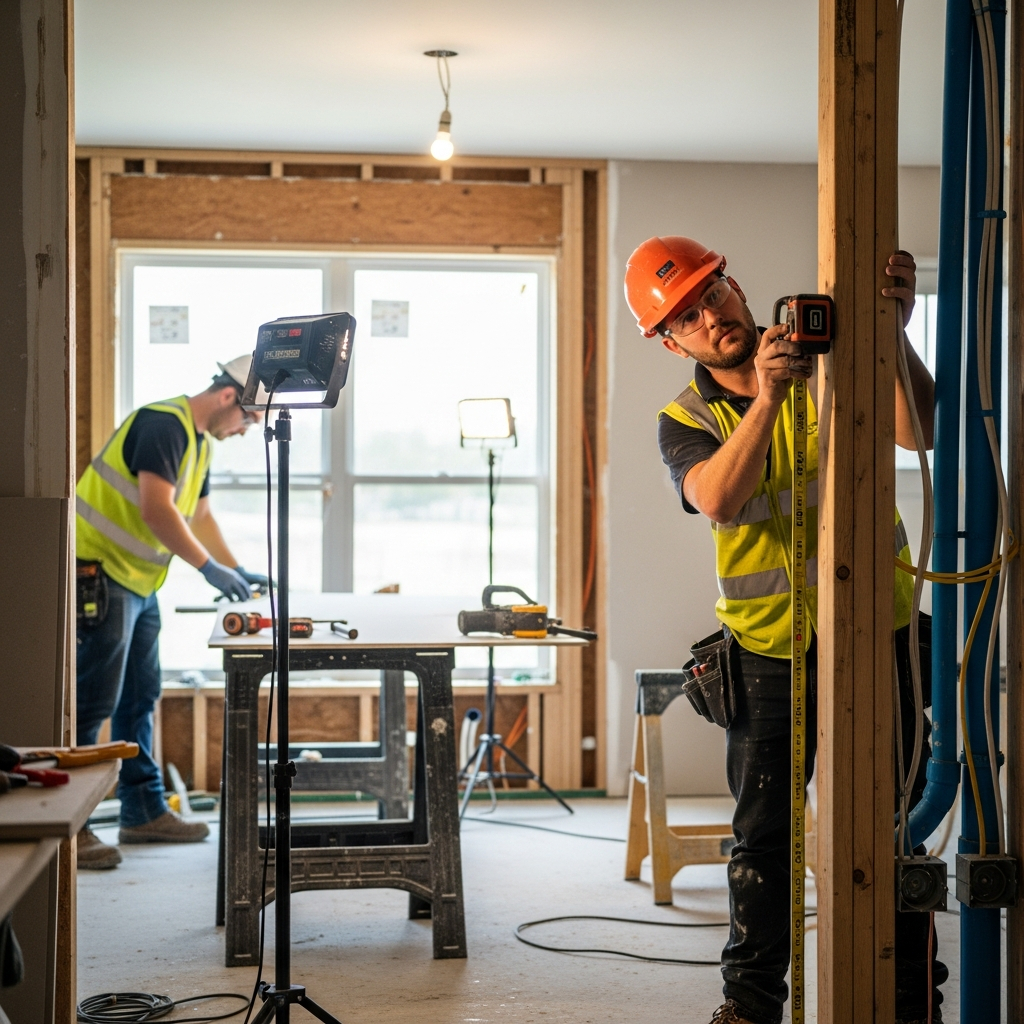
- Rough-Ins (Mechanicals): Installation of new plumbing pipes, HVAC ductwork, and electrical wiring (outlets, switches) before the walls are closed up. Inspections typically occur immediately after this phase.
- Insulation and Drywall: Installation of insulation, followed by drywall hanging, taping, and mudding.
- Finish Carpentry and Painting: Installation of trim, doors, cabinets, and built-ins. Walls are painted and surfaces prepared for flooring.
- Flooring and Tiling: Installation of hardwood, tile, or carpet.
- Fixtures and Final Finishes: Installation of plumbing fixtures (toilets, faucets), lighting fixtures, appliances, and final details like hardware.
- Final Inspections and Punch List: The municipal inspector signs off on the work. You and the GC walk the property to create a “punch list” of small items that need correction before final payment is released.
Staying on Track and Managing Challenges
Delays and challenges are inevitable in any major house renovation. Effective communication and proactive management are the tools you need to keep the project moving forward.
The greatest threat to a controlled timeline and budget is the “Change Order.” This is a written agreement documenting any alteration to the original Scope of Work. Every change order—no matter how small—must detail the corresponding adjustment in cost and timeline and be signed by both the homeowner and the contractor.
Maintain consistent, scheduled meetings with your GC. Weekly site meetings ensure everyone is updated on progress, upcoming material needs, and any potential issues that may affect the overall construction timeline.
Embarking on a house renovation is an investment in your home and your future quality of life. By dedicating sufficient time to the initial planning, assembling a trustworthy team, and managing the process systematically, you can navigate the complexities of construction and achieve the dream home you envisioned.
