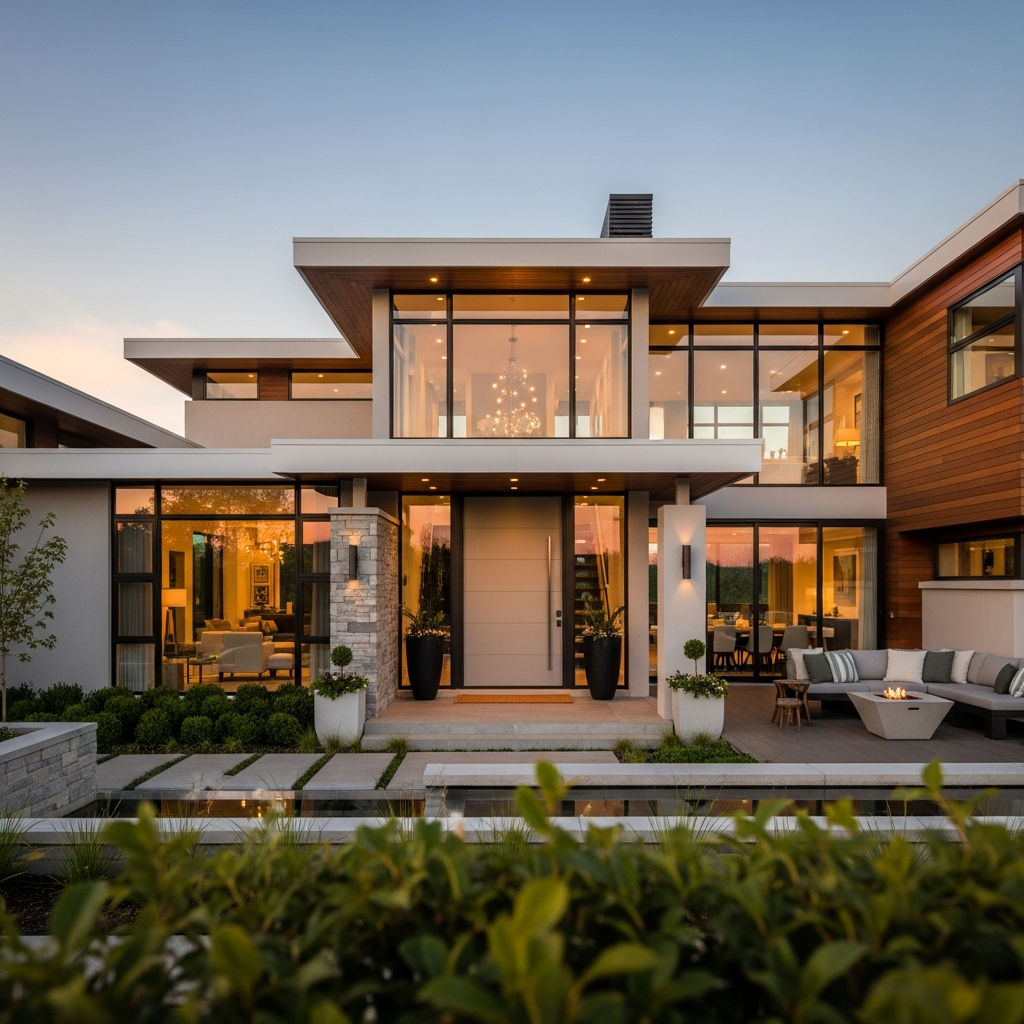
Modern House Design Ideas That Combine Comfort and Style
The quest for the perfect home is a balance between aesthetic appeal and livability. Today’s modern architecture moves beyond stark minimalism, embracing designs that are stylish, sustainable, and supremely comfortable. Discover the cutting-edge trends shaping residential architecture.
The Evolution of Modern Design: Beyond Minimalism
The term “modern” in architecture once conjured images of stark white walls, flat roofs, and cold, expansive spaces. While clean lines and geometric shapes remain central, the current wave of modern house design prioritizes warmth, texture, and functionality. Homeowners are no longer willing to sacrifice comfort for style; they demand an integrated experience.
Key Trends Driving Contemporary Residential Architecture
Three major movements are dominating the design landscape: sustainability, technology, and a renewed focus on holistic well-being. These elements are woven into the very fabric of new home construction, creating spaces that are efficient, intuitive, and deeply relaxing.
1. Open-Concept Living: Defined Yet Fluid Spaces
While the open floor plan has been popular for decades, the modern interpretation refines it. Instead of vast, undifferentiated areas, current designs use subtle architectural elements—like changes in ceiling height, custom built-ins, or textured flooring—to define zones without sacrificing flow. This allows for intimate gatherings while maintaining a sense of spaciousness.
- Kitchen as the Central Hub: Kitchens are integrated seamlessly into living areas, featuring large islands that double as dining tables and workstations, often incorporating high-end, concealed appliances for a streamlined look.
- Transition Zones: Pocket doors, sliding glass walls, and sophisticated screen dividers offer flexibility, allowing rooms to be closed off for privacy or opened up for entertaining.
2. Biophilic Design: Connecting with Nature
Biophilia—the innate human desire to connect with nature—is perhaps the most significant influence on modern comfort. Architects are strategically integrating natural elements into the built environment to reduce stress and improve air quality. This goes far beyond placing a few houseplants.
- Maximized Natural Light: Floor-to-ceiling windows, clerestory windows, and strategically placed skylights bathe interiors in light, minimizing the need for artificial illumination during the day.
- Indoor-Outdoor Integration: Large retractable glass doors blur the lines between patios, decks, and interior living spaces, creating seamless transitions for year-round use. Covered outdoor kitchens and living rooms equipped with heating elements extend the functional footprint of the home.
- Natural Materials: The use of untreated wood, natural stone, exposed concrete, and large-format porcelain tiles creates an authentic, grounded feel. These materials introduce texture and warmth missing from earlier minimalist designs.
Innovative Materials and Sustainable Luxury
Style today is synonymous with responsibility. Modern home design heavily features materials and systems that minimize environmental impact while maximizing durability and aesthetic appeal. This intersection defines modern luxury.
Sustainable Building Practices
The focus on energy efficiency is mandatory. Homes are designed not just to look good, but to perform optimally in various climates, reducing utility costs and carbon footprint.
1. High-Performance Envelopes
Modern homes use superior insulation, thermally broken window frames, and airtight construction techniques to maintain stable interior temperatures. Features like green roofs and high solar reflectance index (SRI) roofing materials further contribute to passive cooling and heating.
2. Reclaimed and Recycled Materials
Architects are increasingly specifying reclaimed wood for structural elements and finishes, giving character and history to new builds. Recycled metal cladding, composite decking, and locally sourced stone minimize transportation costs and support regional economies.
The Integration of Smart Technology for Enhanced Comfort
True modern comfort is intuitive. Smart home technology has moved past simple novelty; it is now seamlessly integrated into the home’s infrastructure, automating systems to respond to occupants’ needs and preferences.
Designing the Intuitive Home
Smart technology is used to manage climate, security, entertainment, and lighting, often hidden from view to maintain clean aesthetics.
1. Personalized Climate Control
Zoned HVAC systems, managed by AI-enabled thermostats, learn occupants’ schedules and automatically adjust temperatures based on occupancy and external conditions. Radiant floor heating, a hallmark of ultimate comfort, is often paired with these systems.
2. Sophisticated Lighting Design
Modern lighting systems move beyond simple illumination. Layered lighting—ambient, task, and accent—is controlled via smart apps, allowing users to shift the mood of a room instantly. Circadian rhythm lighting systems automatically adjust color temperature throughout the day to support human health and sleep cycles.
- Hidden Fixtures: Cove lighting, recessed linear fixtures, and integrated track systems ensure that the architecture takes center stage, not the light source itself.
3. Integrated Security and Wellness
Security systems are discretely incorporated, featuring cameras, sensors, and access control managed remotely. Furthermore, modern homes are beginning to integrate advanced water filtration, air purification systems, and even designated areas for meditation or fitness, reinforcing the focus on holistic health.
Interior Design: Texture, Color, and Furnishings
The interior design of a modern comfortable home uses texture and muted color palettes to offset the sharpness of architectural lines, ensuring the space feels inviting, not sterile.
Creating Warmth Through Contrast
While minimalist principles guide furniture selection (focusing on quality, sculptural pieces), the use of soft goods introduces essential warmth.
1. Muted Color Palettes with Deep Accents
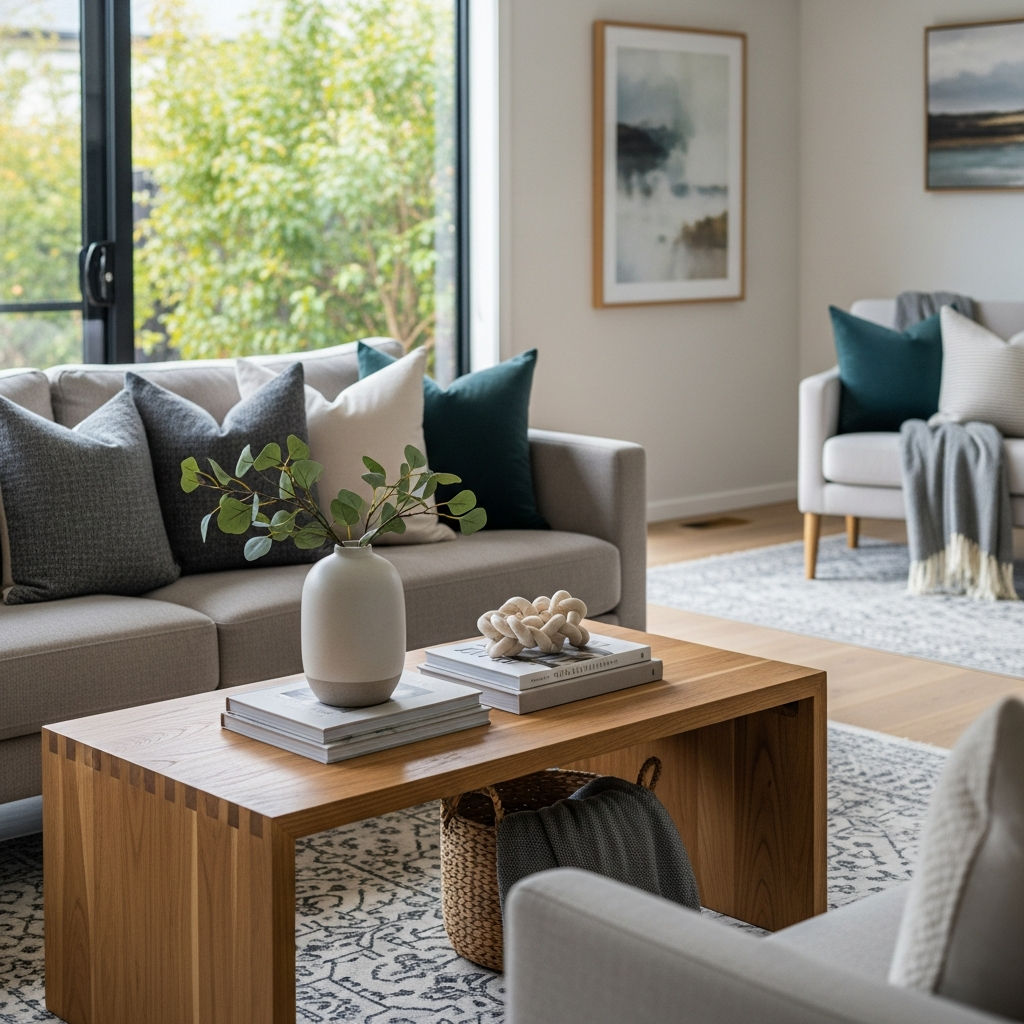
Neutral bases—off-whites, warm grays, and taupes—provide a calming backdrop. Pops of deep color (e.g., forest green, deep navy, terracotta) are introduced through carefully selected textiles, artwork, and area rugs, providing visual interest without clutter.
2. Luxurious Textures
Tactile elements are crucial for comfort. Rich textures like boucle wool, velvet, chunky knit throws, and natural linens soften hard surfaces (such as polished concrete floors or glass walls). Custom millwork, often in dark, rich woods like walnut, adds depth and sophistication.
3. Furnishings Focused on Longevity
Modern furniture is characterized by ergonomic design and enduring materials. Large, deep-seated sofas, comfortable occasional chairs, and multifunctional storage pieces replace purely decorative items, ensuring that every element serves both an aesthetic and practical purpose.
Conclusion: The Future of Comfortable Style
Modern house design today is defined by an intelligent fusion of high style and profound comfort. By embracing biophilic principles, leveraging smart technology, and prioritizing sustainable, natural materials, architects are creating homes that are not just beautiful structures, but sanctuaries designed for contemporary living. This holistic approach ensures that modern homes are future-proof, environmentally responsible, and fundamentally comfortable places to live, perfectly balancing luxury and everyday ease.

