

“`html
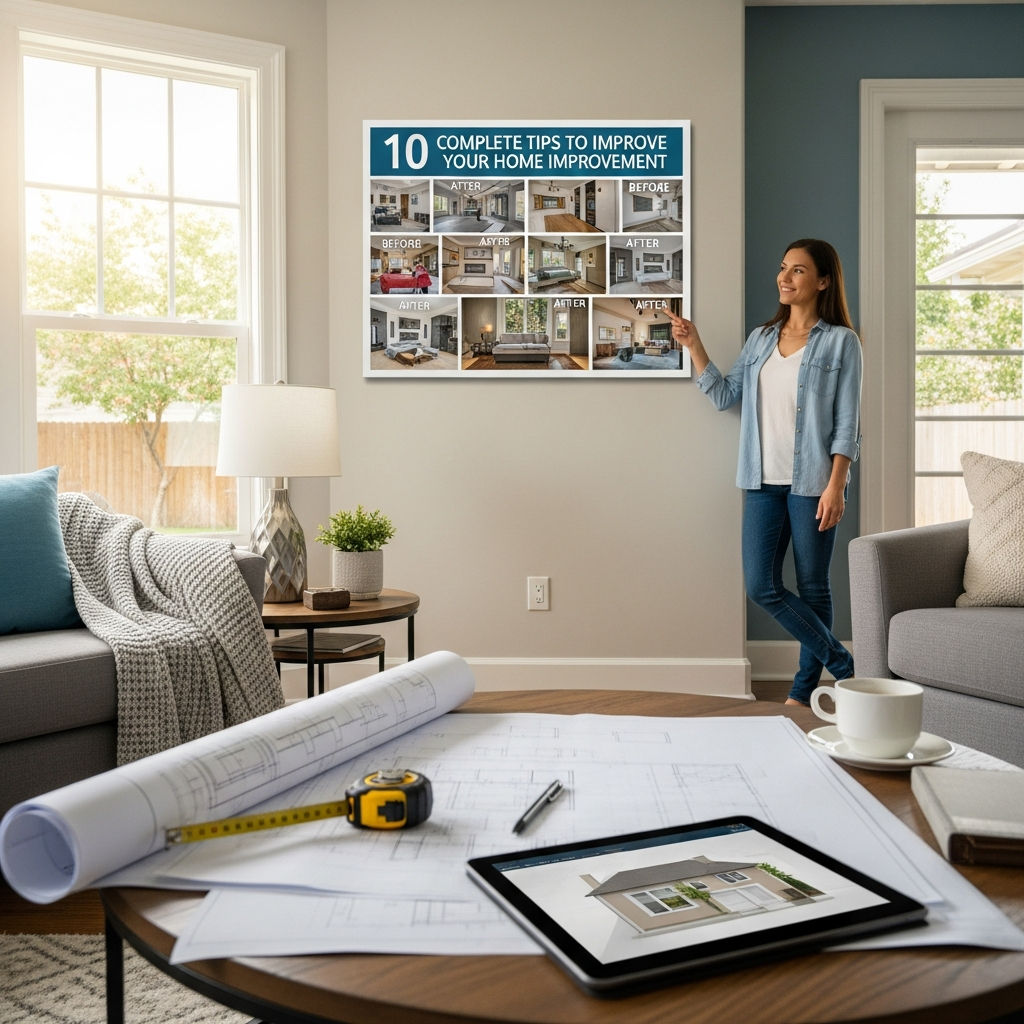
Transform Your Living Space: 10 Complete Tips to Improve Your Home Improvement Projects
Home improvement is more than just a weekend hobby; it is a strategic investment in your comfort, lifestyle, and financial future. Whether you are planning a minor room refresh or a full-scale renovation, the process can often feel overwhelming. Without a clear roadmap, costs can spiral, and timelines can stretch indefinitely. However, with the right approach, you can turn your house into a dream home while significantly increasing its market value.
In this comprehensive guide, we explore 10 essential tips to streamline your home improvement journey. These strategies focus on maximizing return on investment (ROI), enhancing aesthetic appeal, and ensuring that every dollar spent contributes to a more functional living environment.
1. Define Your Goals and Establish a Realistic Budget
Before you pick up a hammer or visit a hardware store, you must have a clear vision. Are you renovating to increase resale value, or are you looking to improve your own quality of life? Defining the “why” will dictate your material choices and the scale of the project.
- Set a Hard Limit: Determine exactly how much you can afford to spend without overleveraging your finances.
- The 20% Rule: Always set aside a contingency fund of 20% of your total budget. Unexpected issues like outdated wiring or water damage often hide behind walls.
- Prioritize: Differentiate between “must-haves” (leaking roof) and “nice-to-haves” (granite countertops).
2. Focus on High-ROI Areas: Kitchens and Bathrooms
If you want the best “bang for your buck,” focus your efforts on the kitchen and the primary bathroom. Real estate experts consistently agree that these two rooms provide the highest return on investment. Even minor upgrades in these areas can drastically change the perception of a home.
For a budget-friendly kitchen improvement, consider painting existing cabinets and replacing old hardware with modern matte black or brushed gold pulls. In the bathroom, replacing a dated vanity or installing a contemporary rainfall showerhead can create a spa-like atmosphere that appeals to any buyer.
3. The Transformative Power of Paint
Never underestimate the impact of a fresh coat of paint. It is arguably the most cost-effective way to improve your home. Paint can make a small room feel spacious, a dark room feel bright, and a dated room feel modern.
- Choose Neutral Palettes: While bold colors are personal, neutrals like “greige,” soft whites, and muted blues help potential buyers visualize themselves in the space.
- Don’t Forget the Trim: Painting baseboards and window casings in a crisp white can make the wall colors pop and provide a clean, finished look.
- Quality Matters: Invest in high-quality, washable paint, especially in high-traffic areas like hallways and kitchens.
4. Layer Your Lighting Design
Lighting is the “secret sauce” of interior design. A single overhead light often creates harsh shadows and a cold atmosphere. To improve your home’s ambiance, you should implement a layered lighting plan consisting of three types:
- Ambient Lighting: The general illumination for the room (e.g., recessed ceiling lights).
- Task Lighting: Focused light for specific activities (e.g., under-cabinet lights in the kitchen or a reading lamp).
- Accent Lighting: Used to highlight architectural features or artwork (e.g., wall sconces or picture lights).
Installing dimmer switches is another inexpensive way to gain total control over a room’s mood and energy consumption.
5. Enhance Energy Efficiency
Modern home improvement isn’t just about aesthetics; it’s about performance. Energy-efficient homes are cheaper to run and more attractive to the eco-conscious market. Small changes can lead to significant long-term savings on utility bills.
Consider upgrading to a smart thermostat that learns your schedule and adjusts temperatures accordingly. Additionally, check for air leaks around windows and doors; applying new weatherstripping or caulk is a simple DIY task that keeps the heat in during winter and the cool air in during summer. If your budget allows, upgrading to Energy Star-rated appliances is a major selling point.
6. Boost Curb Appeal for a Lasting First Impression
The exterior of your home sets the tone for what lies inside. Improving curb appeal doesn’t necessarily require a professional landscaper. Start by power-washing your driveway and siding to remove years of grime.
Simple additions like a modern mailbox, new house numbers, and a vibrant front door color can instantly elevate the look of your property. If your lawn looks tired, adding fresh mulch to flower beds and planting low-maintenance perennials can create an inviting entryway that increases the home’s perceived value before a guest even steps inside.
7. Embrace Smart Home Technology
Integrating smart technology is a hallmark of modern home improvement. In today’s market, buyers are looking for “connected” homes that offer convenience and security. You don’t need to rewire the entire house to benefit from this trend.
Start with a smart doorbell or an integrated security camera system. Smart locks offer keyless entry, which is both convenient and a great safety feature. Automated blinds and smart lighting systems can also be controlled via smartphone, allowing you to manage your home’s environment from anywhere in the world.
8. Maximize Storage and Declutter
A common complaint among homeowners is a lack of storage. Improving your home often involves finding clever ways to utilize “dead space.” Built-in shelving in the living room or custom closet organizers can make a home feel much larger and more organized.
When renovating, look for opportunities to add storage. Could that space under the stairs become a pull-out pantry? Could the laundry room benefit from overhead cabinets? By reducing visible clutter through better storage solutions, you emphasize the architectural beauty of your home rather than the items inside it.
9. Prioritize Quality Materials Over Low Prices
It is tempting to choose the cheapest materials to stay under budget, but this often backfires. Low-quality materials wear out faster, meaning you’ll spend more on repairs or replacements in the long run.
For example, choosing a durable quartz countertop over a cheap laminate will not only look better but will withstand heat and scratches for decades. When it comes to flooring, high-quality engineered hardwood or luxury vinyl plank (LVP) offers a better return and better durability than thin, budget-grade carpeting. Always aim for the best quality your budget can reasonably allow.
10. Know When to Hire a Professional
The “Do-It-Yourself” spirit is admirable and can save you thousands, but knowing your limits is the most important tip for a successful home improvement project. Mistakes in certain areas can be dangerous and extremely expensive to fix.
- Electrical and Plumbing: These should almost always be handled by licensed professionals to ensure they meet local building codes.
- Structural Changes: If you are removing a wall, you must consult a structural engineer to ensure the house remains stable.
- Permits: A professional contractor knows which permits are required. Skipping permits can lead to fines and major issues when you try to sell your home.
Conclusion: Taking the First Step
Improving your home is a journey of transformation. By following these ten tips, you can navigate the complexities of renovation with confidence. Remember that home improvement is not just about the end result, but about the thoughtful planning and quality execution that goes into every stage.
Start small, stay focused on your budget, and always keep an eye on quality. Whether you are painting a single room or redesigning your entire kitchen, these strategies will ensure your home becomes a more beautiful, functional, and valuable space for years to come.
“`